SNAP Changes Strain the System
A new federal law, the One Big Beautiful Bill Act, introduced significant changes to the Supplemental Nutrition Assistance Program (SNAP), commonly known as food stamps. The law adds tougher work requirements and restricts eligibility for some lawfully present immigrants, including refugees and people granted asylum. It also shifts more administrative costs to states. Historically, the federal government paid 100% of SNAP benefits; under the new law, states with high payment error rates could be required for the first time to pay a portion of those costs. A payment error occurs when a household receives more or less in benefits than it is eligible for because of an error by the state or recipient; it is not a measure of fraud.
Arizona offers an early example of the effects of these changes. The state moved quickly to reduce its error rate and implement new federal requirements, tightening verification and eligibility procedures. The rapid changes also strained the system, with Arizona officials reporting unprecedented call volumes that created barriers for applicants needing required eligibility interviews. Some recipients reported calls disconnecting after long waits and hours-long waits at state offices. While SNAP enrollment fell sharply, the number of Arizonans using food pantries increased 8% from the previous year. For the first time, more people in Arizona relied on food pantries than received SNAP. The two trends demonstrate that declining SNAP enrollment does not necessarily indicate declining need for food assistance.
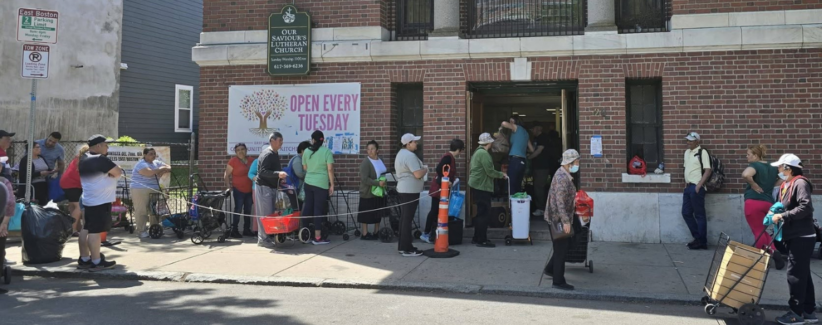
Massachusetts is now implementing the new federal requirements. The Massachusetts Department of Transitional Assistance (DTA), which administers SNAP, has hired 118 additional caseworkers this year to respond to new requirements and increased demand for assistance. Still, daily call volume has risen 9% from last year, and about 47% of calls seeking assistance do not connect with a worker. Since the federal law took effect, Massachusetts SNAP enrollment has declined by nearly 182,000 people, including nearly 65,000 children. Arizona’s experience demonstrates how reductions in SNAP participation can coincide with increased reliance on food pantries and other sources of emergency food assistance. Massachusetts hunger-relief organizations are watching these trends carefully as they prepare to meet increased demand and help ensure that people experiencing food insecurity continue to have access to the food they need.
WBUR: Over 4 million people are no longer receiving food aid amid sweeping changes to SNAP
(photo above courtesy of East Boston Community Soup Kitchen)